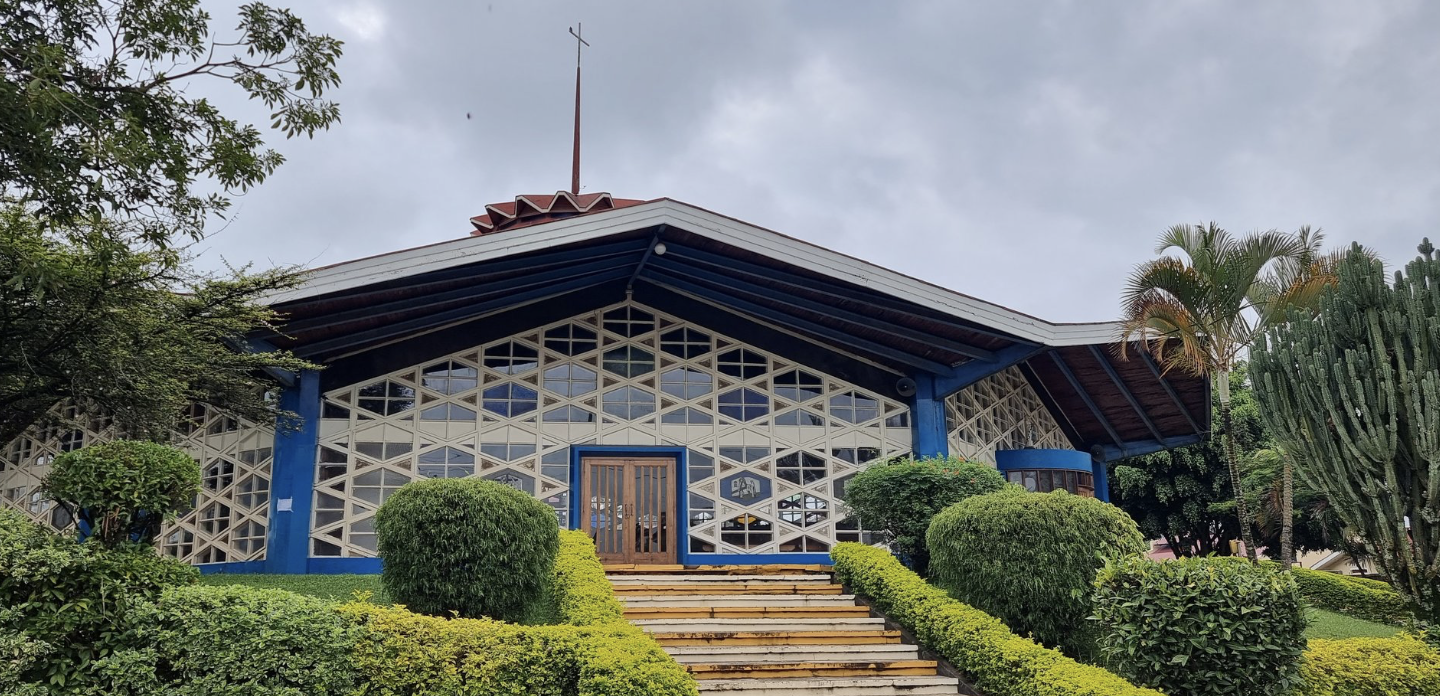
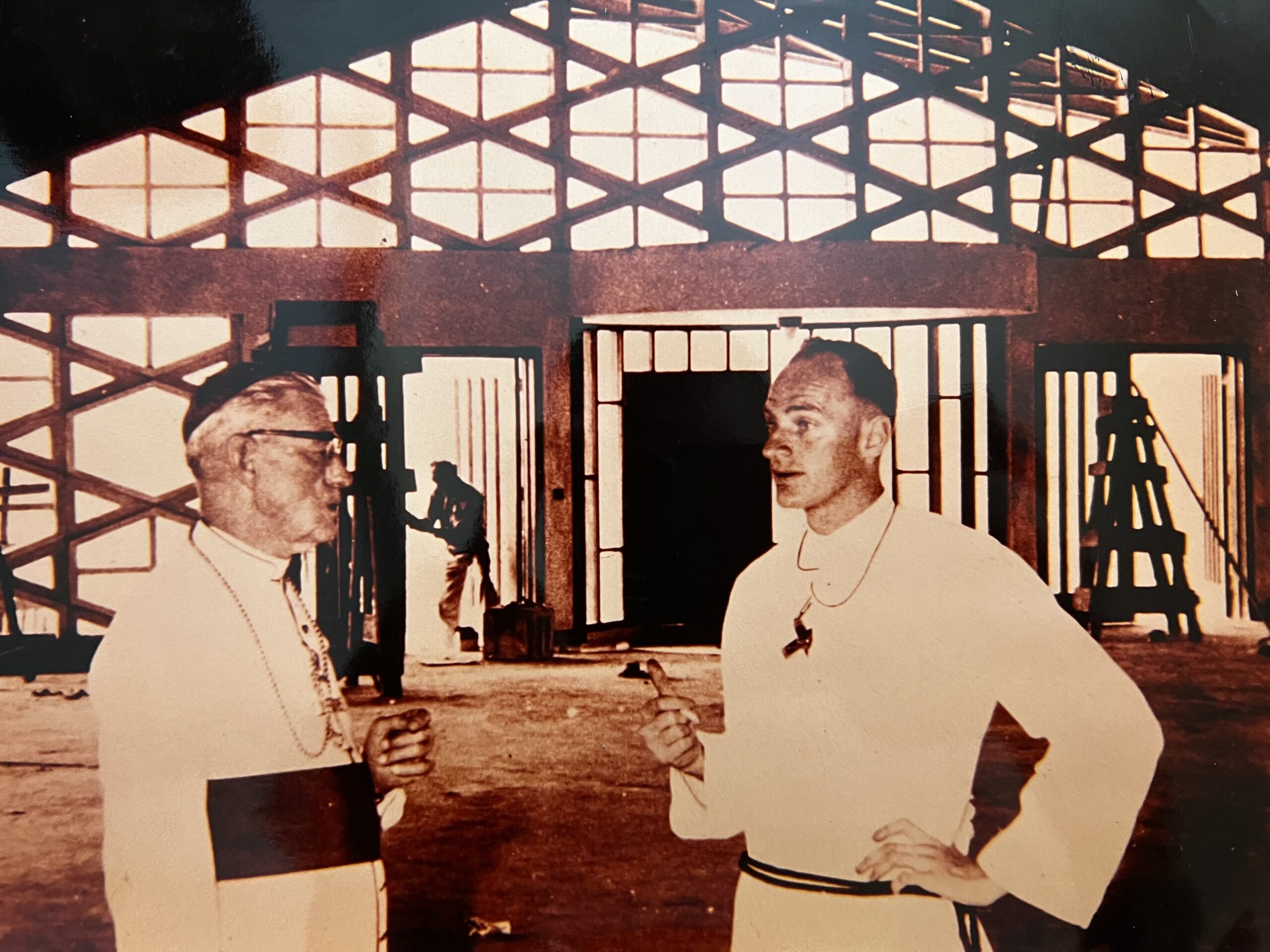
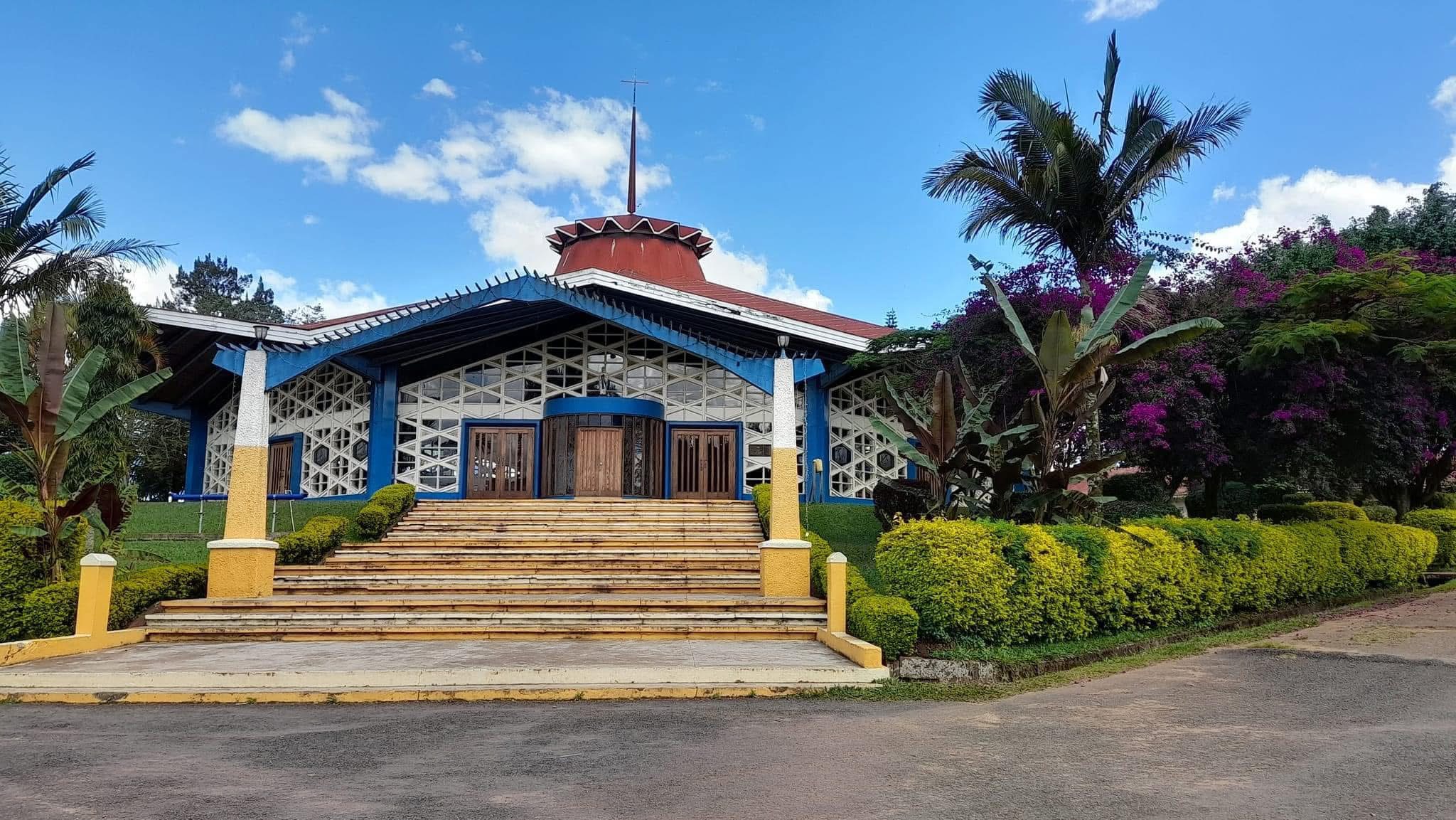
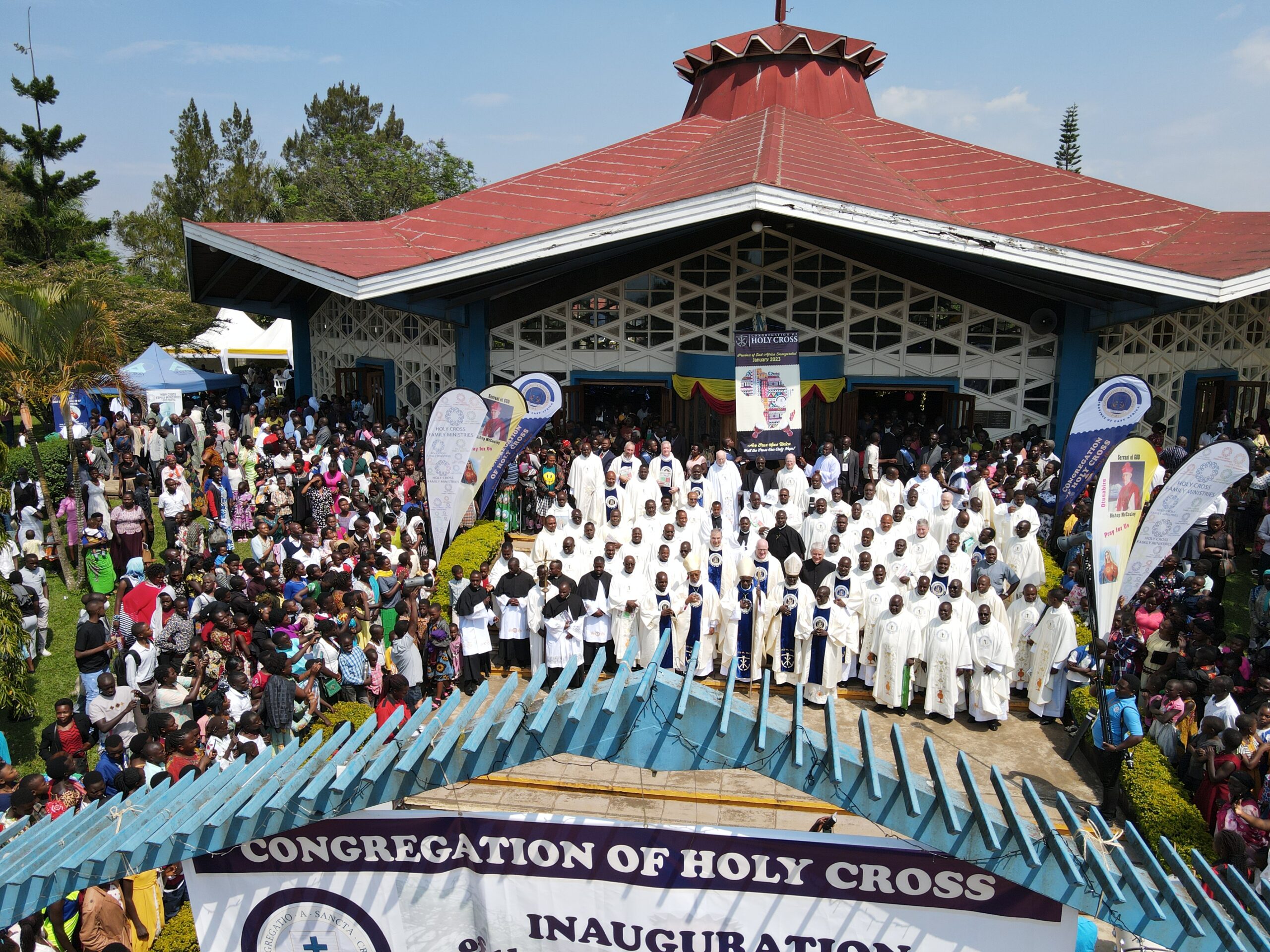
On November 4, 1958, Bishop McCauley arrived at Entebbe Airport with
three Holy Cross priests. This marked the beginning of the
Congregation’s mission in Uganda — a mission that today
serves across Kenya, Tanzania, and Uganda, shaping generations of
Catholic faithful and institutions that endure as monuments to one
man’s vision.
His missionary philosophy was clear and prophetic:
“The missionary’s task is to build the local church,
to plant the seeds of the Faith and to nourish the tender plants in
foreign gardens, then to move on to other gardens.” He did
not come to establish a colonial Church but to hand it over — to
African priests, African bishops, and an African faithful who would
carry the Gospel forward.
He organized those gatherings of African bishops during Vatican II
that became AMECEA, served as its founding chairman, and remained its
most tireless advocate. When the 1966 earthquake devastated Fort
Portal, he traveled to the United States to raise funds for rebuilding.
When refugees poured across the borders of Uganda from Rwanda, Congo,
and Idi Amin’s persecutions, he organized relief. He never
distinguished between spiritual and material service — both
were acts of the same pastoral love.
“Bishop McCauley loved and associated with the poor and those
suffering injustices like refugees. He always worked in collaboration
with other faith groups.” — Diocesan Chair, Publicity
Commission, Fort Portal